Water is Life, a new documentary from Wellspring Media Works, explores how Diné College’s $3.4 million research center is working to protect the Navajo Nation’s threatened water resources. The video is now available for viewing on the Hub’s website.
By Paul Boyer
On the sprawling Navajo Nation, where over 30 percent of homes do not have access to piped water, a new research center developed by Diné College is working to monitor the safety of the reservation’s water resources, provide clean water to residents, and develop innovative new ways to heal landscapes damaged by uranium mining.
Funded by the National Science Foundation’s Tribally Controlled Colleges and Universities Program (TCUP), Diné College’s Tó éí íná át’é (Water is Life) Center demonstrates the growing capacity of the Navajo Nation to pursue research responsive to the most urgent needs of the Navajo people.
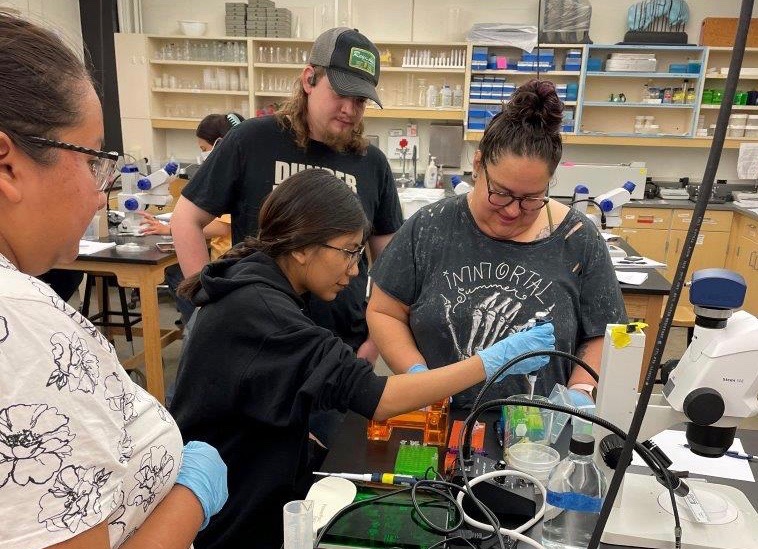
The work of the center is now the subject of a new documentary from Wellspring Media Works. Titled “Water is Life,” the professionally produced video follows research center scientists and student interns as they travel to some of the reservation’s most isolated communities. Collecting samples from rivers, springs, and wells used for both livestock and human consumption, researchers look for evidence of harmful bacteria and other contaminants that can threaten the health of community members.
While this work provides important baseline data for researchers, the immediate goal is to protect health. Residents help scientists identify potentially contaminated sources of water and findings are, in turn, shared with community members.
It’s a “big picture grant,” explains Donald Robinson, the project’s former principal investigator, “that takes into account the community and the tribal leadership and the…tribe’s attitudes and needs toward water.”
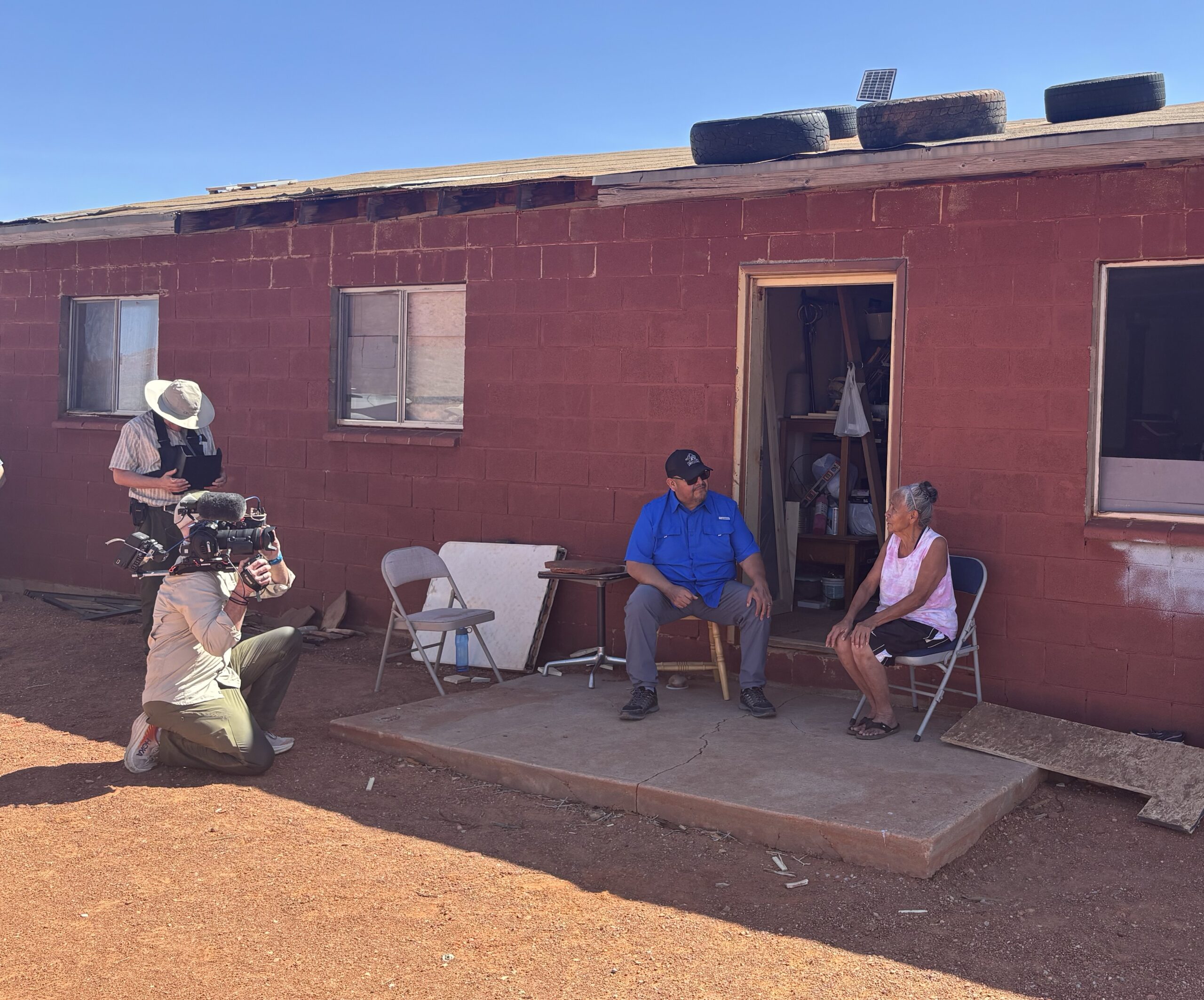
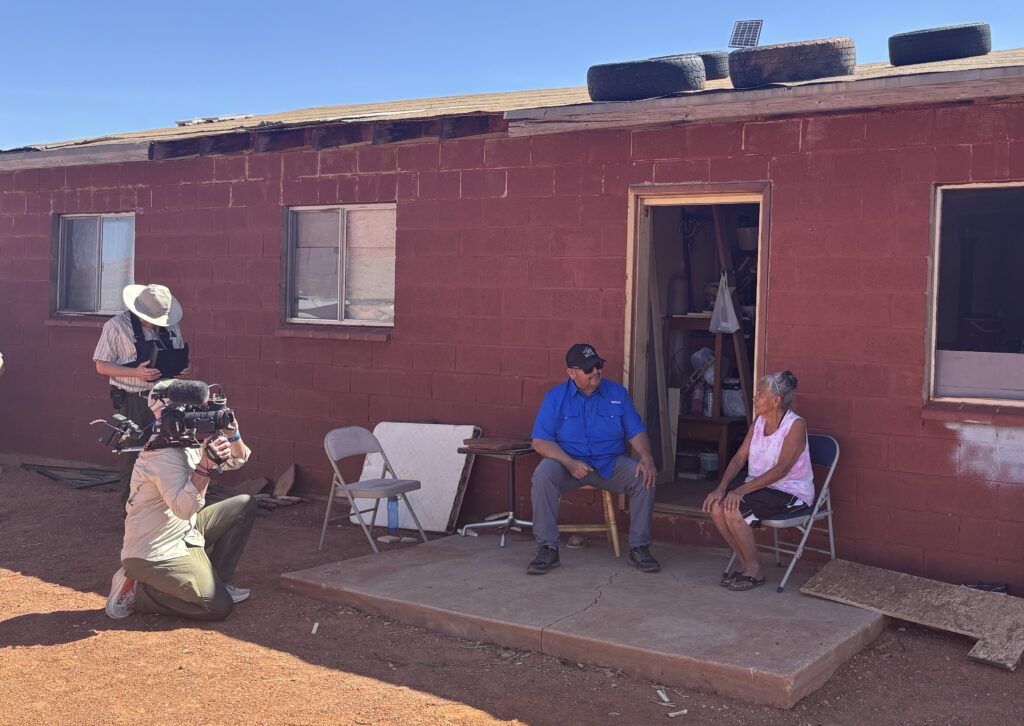
The film explores how the center, in partnership with the University of Arizona, also provides UV water purification systems for homes and rural communities. Traveling to an isolated home in Monument Valley, research center scientists visit with an elderly resident who was once hospitalized after drinking tainted water and demonstrate use of her new, in-house filtration system.
“It’s connecting the academics. It’s connecting the research. It’s connecting traditions and communities,” explains Diné College faculty member Demetra Skaltsas, who also serves as the grant’s principal investigator.
The film also takes viewers to research center labs at the college’s Tuba City, AZ campus where student interns, guided by college faculty, test water for harmful microorganisms. At the college’s main campus in Tsaile, AZ, meanwhile, graduate students show how they are documenting contamination caused by abandoned uranium mines and testing the efficacy of phytoremediation—the ability of certain plants to remove heavy metals and other pollutants from contaminated sites.
Throughout the film, students and faculty share their own hopes and motivations. “I want to give as much as I can to the Navajo Nation and to the people,” one student explains, so that future generations can “walk in beauty.”
The Water is Life video was made possible by funding from the National Science Foundation. It is the first in a planned series of films documenting the work of Tribal Enterprise Advancement Centers, the funding strand within TCUP that supports Diné College’s project and more than a dozen other interdisciplinary research centers within the nation’s tribally controlled colleges and universities.
The TCUP Hub website is proud to host release of the Water is Life video. It can be viewed on our homepage and will remain accessible on the Hub website indefinitely. The film will also be made available to upcoming conferences and film festivals.
Paul Boyer is editor of the TCUP Hub website.