The mission of the TCUP Hub is to support the growth and development of STEM within the nation’s network of tribally controlled colleges and universities (TCUs), and other institutions eligible for support through the National Science Foundation’s Tribal Colleges and University’s Program (TCUP).
The TCUP Hub engages STEM faculty, researchers, and other professionals in activities that strengthen teaching, support development of new academic programs, build research capacity, and nurture partnerships with federal agencies and mainstream universities. Through a model that emphasizes institutional cooperation and collaboration, the TCUP Hub works to create more educational opportunity for students and build stronger Native nations.
Established in 2025, the TCUP Hub is supported by funding from the National Science Foundation and managed on behalf of all eligible TCUP institutions by United Tribes Technical College in Bismarck, ND.
Tribal Colleges and Universities
Tribally controlled colleges and universities (TCUs) are Native-serving institutions chartered by tribes and located, in most cases, on reservations. The first tribally college was founded on the Navajo Nation in 1969. Today, thirty-seven TCUs are found across the country, from the Great Lakes region to California, and from Arizona to North Dakota. Although most tribal colleges started as two-year institutions, many now offer four-year and graduate degrees. All prepare students for continued study at mainstream institutions or meaningful employment within their communities.
The Role of STEM within TCUs
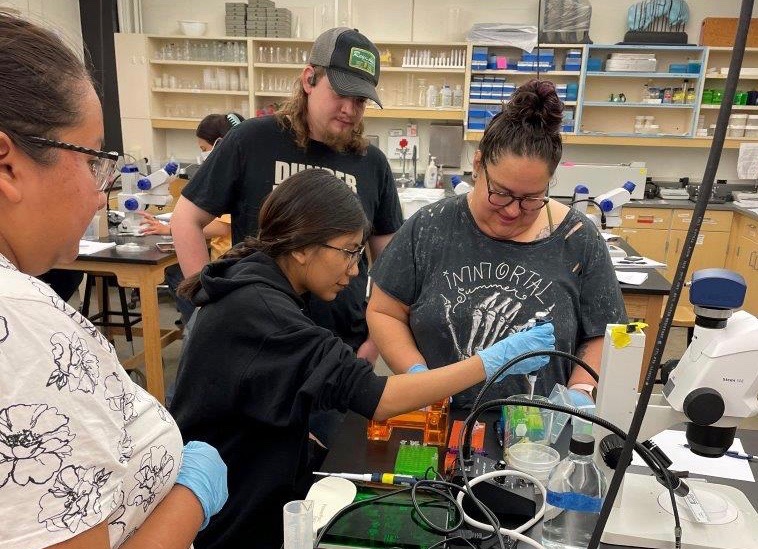
Over the past twenty years, STEM has emerged as the fastest growing and most dynamic part of the tribal college curriculum. Students are now able to pursue undergraduate and graduate degrees in biology, environmental science, forestry, computer science, advanced manufacturing, engineering, behavioral science, hydrology and other disciplines that respond to the needs of the nation and tribal economies.
TCUs are also rapidly developing their research capacity. Since 2018, more than one-third of all TCUs have established National Science Foundation-funded interdisciplinary research centers to study environmental, social, educational, and economic challenges within Native communities. As land grant institutions, TCUs also engage in agricultural research and cooperative extension outreach programs.
The growth and development of STEM within TCUs relies heavily on support from federal agencies, including the USDA, NASA, and Department of Energy, among others. Of particular importance is the support provided by the National Science Foundation’s Tribal Colleges and University’s program. More than any other single agency, NSF-TCUP has, since its establishment over twenty-five years ago, allowed TCUs to build instructional capacity, develop new degree programs, establish partnerships with mainstream universities, and conduct vital community-centered research.
Hawaii Mini-Hub and the University of Alaska
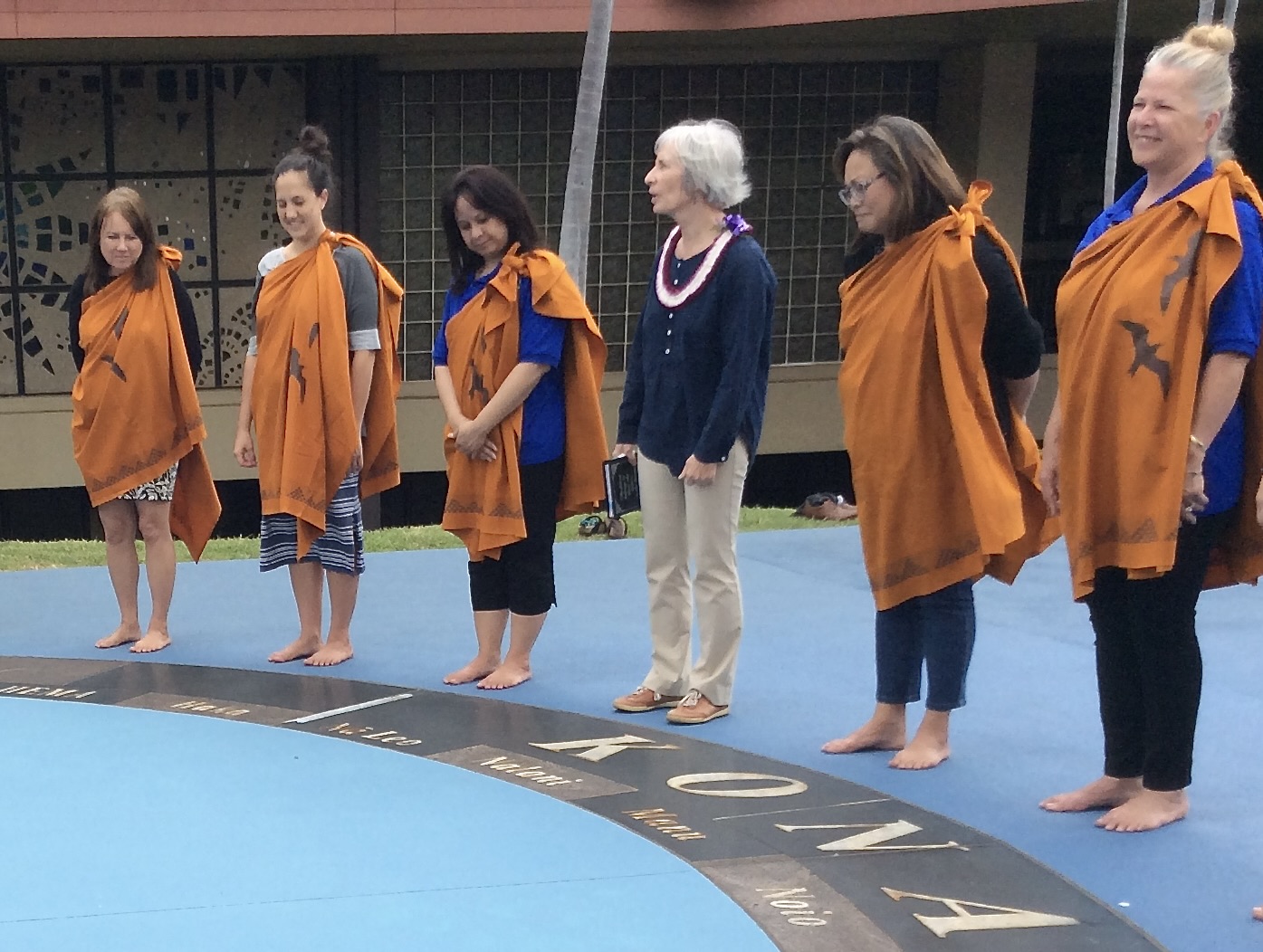
The TCUP Hub also supports the work of TCUP-eligible institutions within the University of Hawaii through a regional “mini Hub,” which coordinates professional development activities for STEM faculty affiliated with the state’s Native-Hawaiian serving colleges.
TCUP-eligible institutions within the University of Alaska are also encouraged to participate in Hub-related activities.