A reintroduction project on the Fort Belknap Indian Reservation is helping scientists better understand what sets swift foxes up for success.
By Bowman Leigh
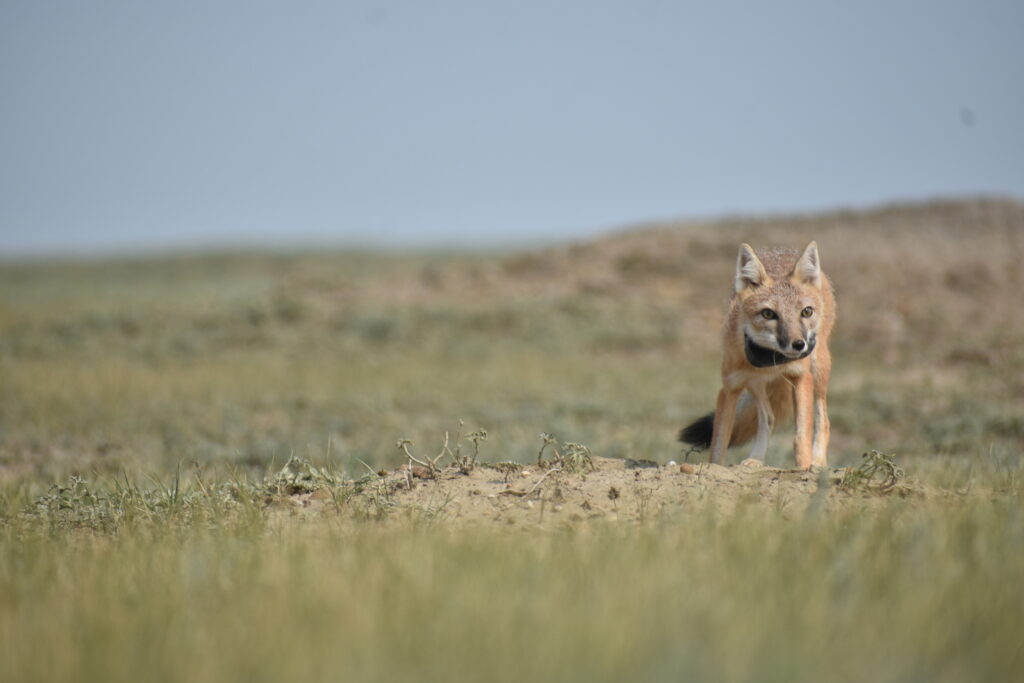
Swift foxes belong in the shortgrass prairie, where they are uniquely adapted to hunt and hide. But for over 50 years, these small, fast-moving canids have been largely missing from North American grassland ecosystems, occupying only 44 percent of their original range in the U.S. and 3 percent in Canada.
In 2018, the Fort Belknap Indian Community launched a five-year effort to restore swift foxes to their homelands in partnership with the Smithsonian National Zoo and Conservation Biology Institute. The Fort Belknap Indian Reservation in northcentral Montana, located in the home of the Aaniiih and Nakoda tribes, sits within a 200-mile area separating northern and southern swift fox populations. If reintroduction proves successful, the project could bridge these two groups and reconnect a large swath of swift fox habitat.
But reintroducing swift foxes is no easy task. To do so requires live-trapping animals from healthy populations — in this case, from neighboring Wyoming and Colorado — and transporting them to a new location, where the animals will ideally survive and reestablish.
Scientists often focus on external factors, like predators or habitat quality, that could impact an animal’s success in these new environments. And now, new research based on the Fort Belknap reintroduction project is looking at internal factors: how swift foxes’ personality and response to stress can help, or hurt, their chances of survival.
Personality affects survival rates
Kimberly Todd, former Smithsonian research fellow and the study’s lead author, wanted to better understand how swift foxes’ intrinsic traits affect their ability to adjust to a new home. “The premise for my study was really digging into those individual level characteristics to try to understand what makes these foxes tick and what is really setting them up for success after release,” Todd said.
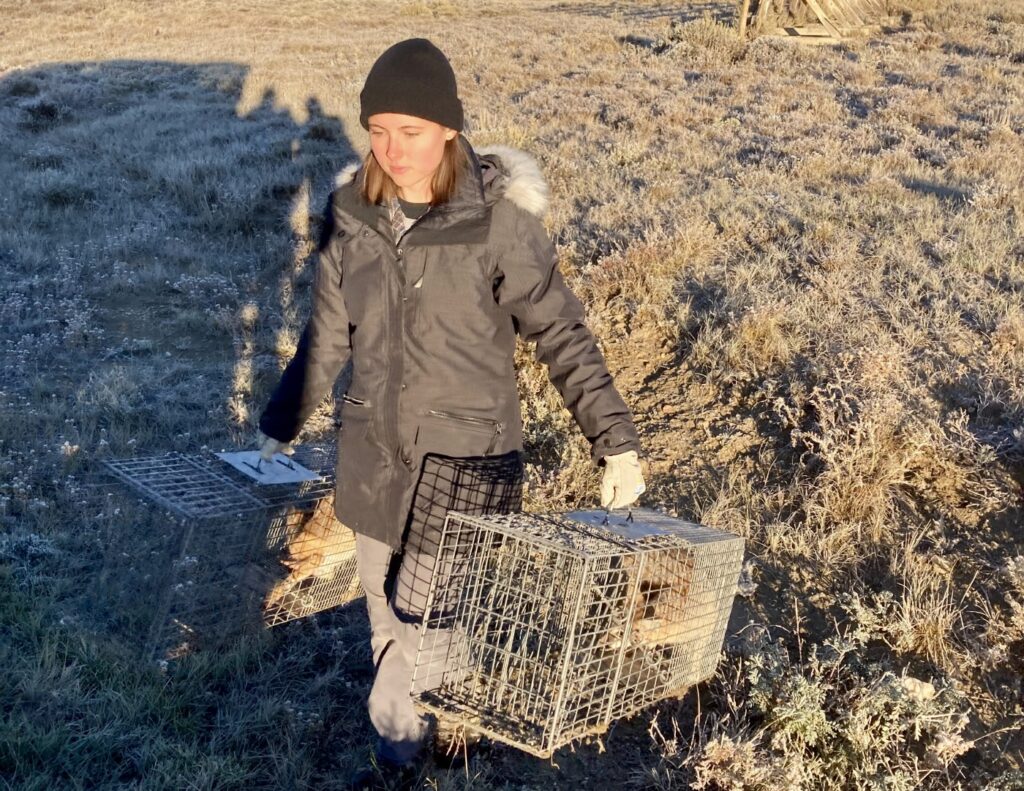
Between 2021-2022, Todd and her team live-trapped and transported 76 swift foxes from Wyoming and Colorado to the Fort Belknap reservation. Prior to transport, each fox was assigned a “handling score” based on their behavior — similar to taking a personality test. Foxes that acted more docile or afraid were considered “reactive,” while those with more aggressive, agitated behavior showed “proactive” traits. According to Todd, reactive animals tend to be more risk-averse, often staying put or exhibiting a “freeze” response, whereas proactive animals are bolder and more likely to venture away from their relocation site after release.
Todd also wanted to know how each animal responded to stress internally, so she collected scat from each fox at multiple points during the reintroduction process and then tested those samples for the stress hormone cortisol.
After gathering both sets of data, the last step involved tracking swift foxes following their release at Fort Belknap. Todd monitored the foxes’ movements using GPS collars, paying special attention to the first two months when foxes are especially vulnerable as they adjust to their new space.
Study results, published this past spring in Frontiers in Conservation Science, showed that foxes with both the lowest and highest cortisol concentrations in their feces had the lowest handling scores, meaning that they were more reactive. Todd says this makes sense because even if a fox has a high level of stress in their system, that much cortisol can push them into a “freeze” mode, making them more subdued. By comparison, animals with a moderate amount of cortisol had high handling scores, showing more agitated, proactive traits. When it came to survival rates, foxes with the highest and lowest handling scores — i.e. those that were the most reactive and the most proactive — had the highest probability of survival in the first two months. Rather than pointing to one strategy over another, Todd’s study indicates that personalities at both ends of the spectrum can be beneficial.
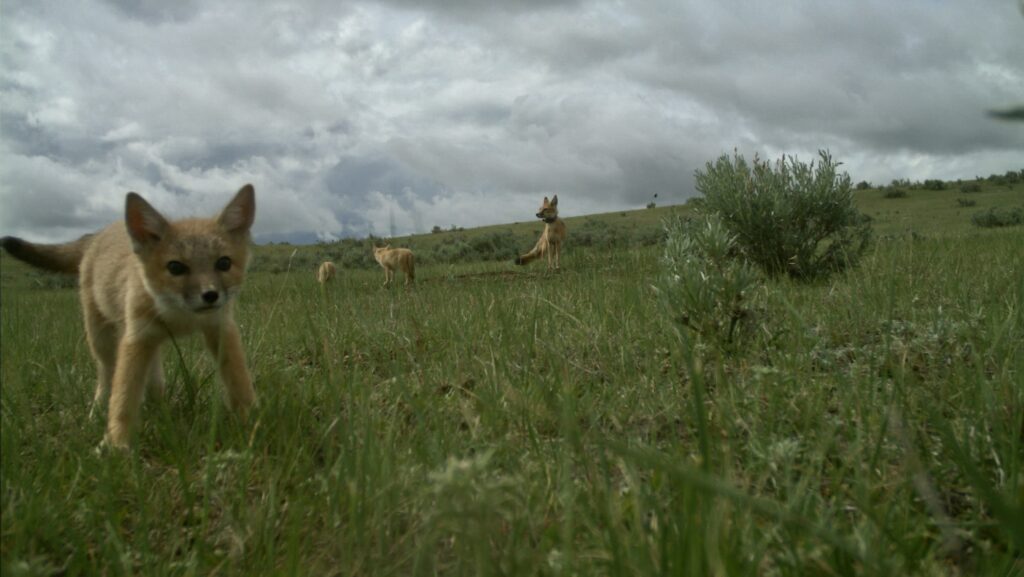
“There are some meaningful trends here that would suggest, for these guys that we released at Fort Belknap, having different strategies, different personality traits, probably different hormone profiles too, can all lead to a successful outcome,” Todd said.
“Having that diversity, I think, is what sets up this population to be a little more resilient because, like so many things in nature, variation is key. Some animals are going to lose out, some are going to win, and those patterns are going to change year to year.”
Research supports sovereignty
Todd’s study reveals new information about a culturally-important species, and also illustrates the type of research opportunities that are available on the Fort Belknap reservation.
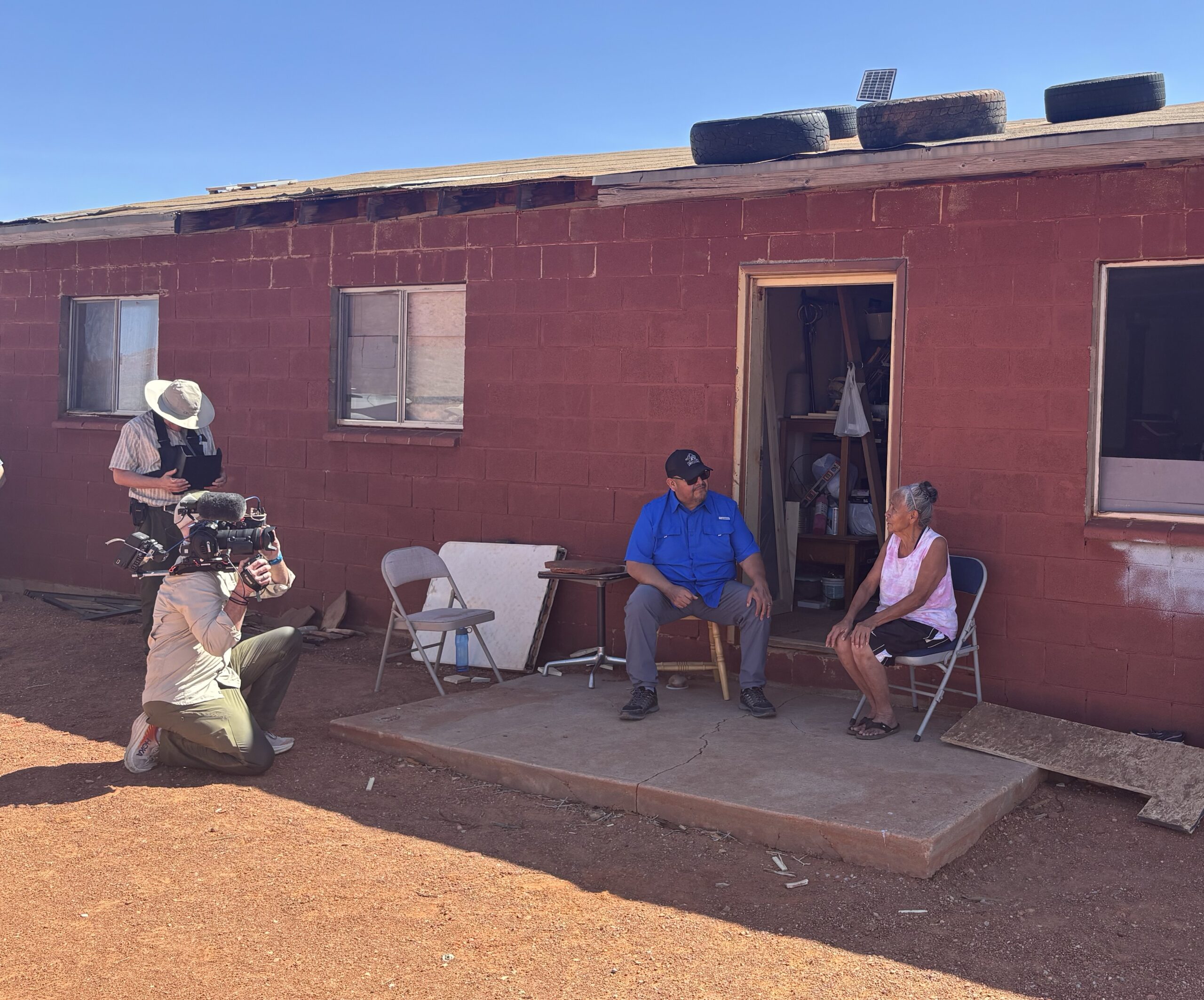
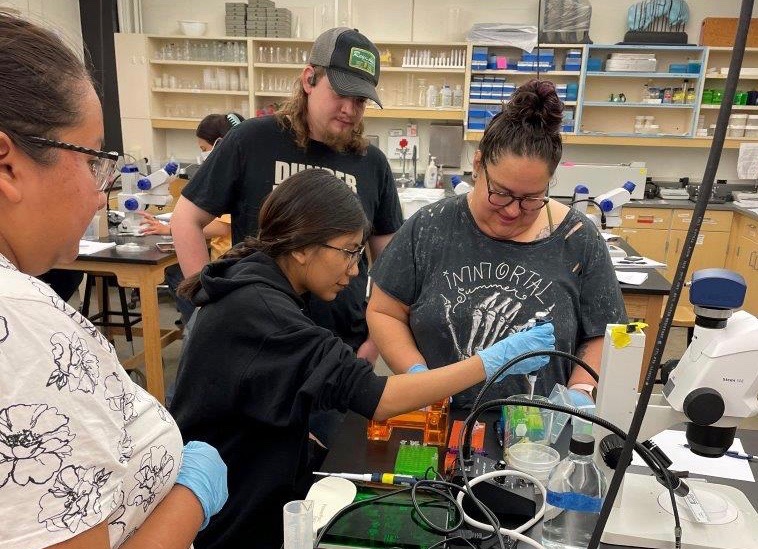
Thanks to a strong relationship between the Smithsonian National Zoo and Conservation Biology Institute and Aaniiih Nakoda College, Todd was able to work alongside ANC students while completing her research. One of her favorite parts, Todd says, was getting to know the students one-on-one while driving around the reservation looking for swift fox dens.
Todd has since been hired as research manager at ANC’s ʔíítaanɔ́ɔ́nʔí/Tatag’a (Buffalo) Research and Education Center, where she oversees multiple wildlife research projects while teaching courses in research methods and ecology.
Scott Friskics, director of sponsor programs at ANC, says that when students can see a current faculty member like Todd publish a peer-reviewed study, it helps them visualize what producing research looks like — especially if they had a chance to participate in it.
“It’s important that our faculty are modeling that research process [from] beginning to end, and that our students are contributing,” Friskics said.
ANC’s institutional research policy requires all studies to address a community need and to involve students. Friskics says that Todd’s study exemplifies both dimensions of that policy.
“People talk about bringing relatives back or putting all the pieces back together, whether that’s the swift fox, or the buffalo, or the black-footed ferret,” Friskics said.
“That our faculty can contribute to that work is important to us as an institution. And that our students get the opportunity to be involved in high quality research done on a project that matters, that’s local. This is a project that directly relates to their home and that they can connect to in a very tangible way.”
For Todd, making a positive impact on the surrounding community is a core element that guides her work.
“No conservation effort, no wildlife monitoring program, is going to be absent of humans,” Todd said.
“This isn’t just about the swift fox. If anything, it’s arguably more about the people: the people who brought them back, the people who now have a tie to these animals again and thinking about the swift foxes’ place in the broader ecosystem and how the community falls into that ecosystem. It’s so much more than reintroducing an animal to the prairie.”
Bowman Leigh is a writer based in Missoula and a graduate of the University of Montana’s School of Journalism. Her work has appeared in Mountain Journal, The Pulp and on Montana Public Radio, and she is a former fire reporting intern for Montana Free Press.