What does the end of the federal government’s Title III Alaska Native, Native Hawaiian Serving Institutions program mean for Hawaiʻi —and what does it signal for tribal colleges?

By Brandon Marc T. Higa
For nearly four decades, the federal Title III Alaska Native, Native Hawaiian Serving Institutions (ANNH) program has served as one of the primary investments in Indigenous-serving higher education outside the continental United States.
That program now faces an uncertain future following the U.S. Department of Education’s decision to discontinue Minority Serving Institution (MSI) programs, in alignment with the U.S. Department of Justice’s slip opinion, Constitutionality of Race-Based Department of Education Programs, which states that race-based components of these programs are unconstitutional under federal equal protection standards.
The University of Hawaiʻi offers a useful case study of what Title III ANNH funding has accomplished through transformative infrastructure-building discretionary grants and offers insights into the anticipated impacts on the postsecondary education system as these critical federal resources end.
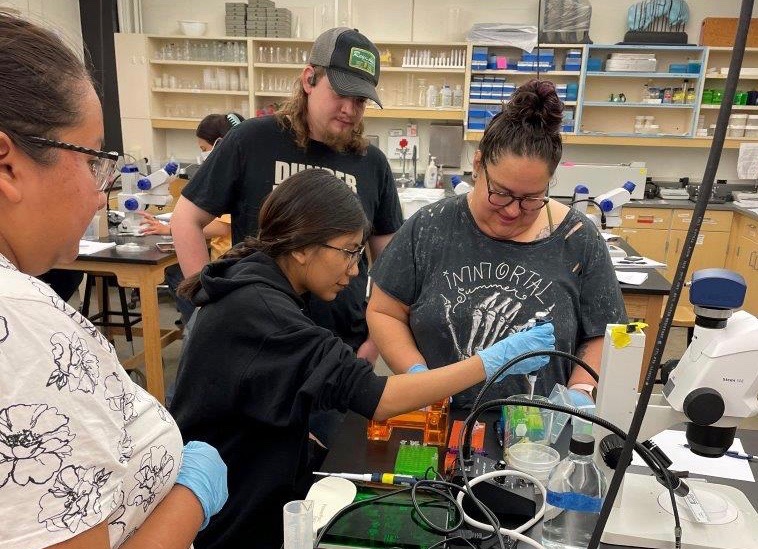
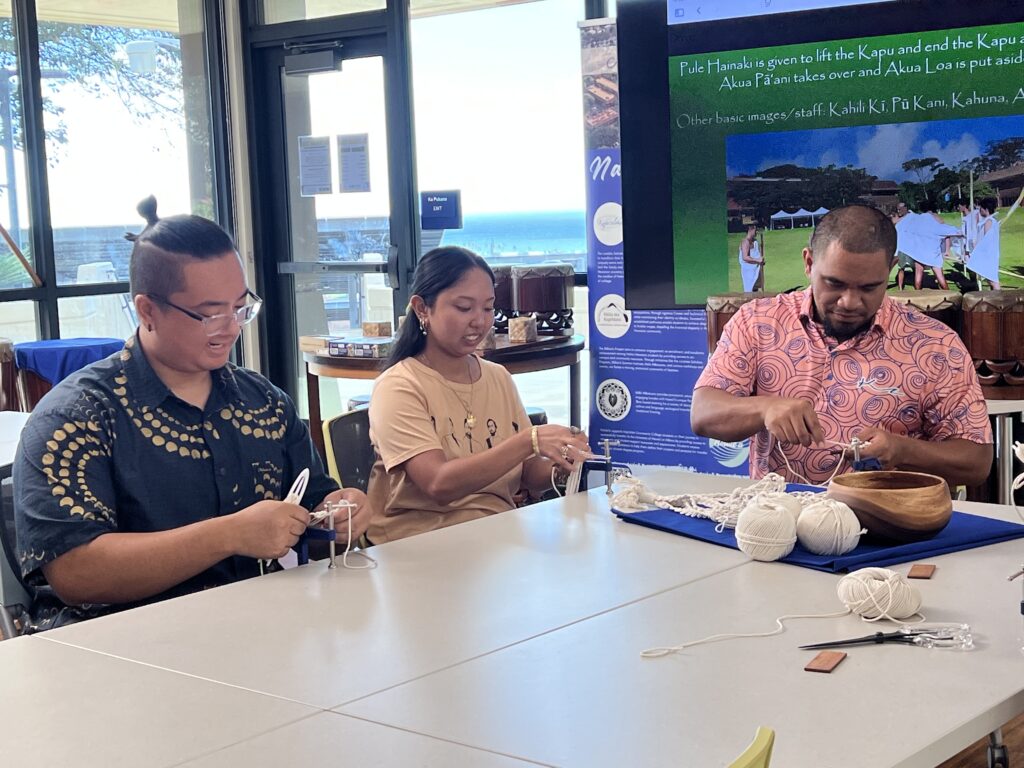
Between 2008 and 2014, all ten campuses within the University of Hawaiʻi System participated in Title III initiatives designed to strengthen institutional capacity and improve educational outcomes, employing targeted strategies to support underserved students from Native Hawaiian communities. A systemwide evaluation found that 44 Title III ANNH grants invested $62 million in federal funding to UH campuses– supporting nearly 23,000 student experiences, renovating more than 68,000 square feet of campus facilities, and creating new instructional resources through 576 revised curricula.
Notably, the Education Department required Title III grantees to track student success while restricting grant expenditures to institutional capacity-building activities and prohibiting direct student aid. The program’s purpose was to help institutions build long-term capacity as an equalizer to provide the same high-quality educational opportunities for Native Hawaiians and all students as those in better-resourced institutions.
These findings raise an important question: If Title III ANNH disappears, what replaces it?
Unlike many competitive grant programs that focus narrowly on research or workforce development, Title III funding has historically allowed institutions to address foundational challenges. The grants support the infrastructure that enables student success, including advising systems, curriculum redesign, faculty development, technology modernization, and facilities improvements. These investments are often difficult to fund through state appropriations or tuition revenue alone.
The implications extend beyond Hawaiʻi.
Education Secretary Linda McMahon’s public statement on the Constitutionality of Race-Based higher Education Grant Programs encompassed MSI programs serving Native and Indigenous students, including Native American Serving Non-Tribal Institutions, as well as Hispanic-Serving Institutions, Asian American and Native American Pacific Islander-Serving Institutions. The decision reflects a broader federal reassessment of race-conscious programs following the Supreme Court’s decision in Students for Fair Admissions, Inc. v. President & Fellows of Harvard College, 143 S. Ct. 2141 (2023) (“SFFA”) and subsequent legal analysis by the Department of Justice.
For tribal colleges and universities, the immediate programs remain distinct from Alaska Native and Native Hawaiian Serving Institutions. Yet the broader policy questions are familiar. TCUs, like Native Hawaiian-serving institutions, often operate in geographically isolated communities, serve populations historically underrepresented in higher education, and rely on federal investments to build institutional capacity. If federal policymakers increasingly scrutinize programs tied to specific populations, TCUs may find themselves navigating similar debates regarding the legal foundations, purposes, and outcomes of Indigenous-serving programs.
The experience in Hawaiʻi offers an important lesson for that conversation.
The strongest defense of Indigenous-serving programs may not rest solely on historical arguments or statutory design. It may also rest on evidence. Over many years, Title III ANNH funding demonstrated measurable improvements in student persistence, completion, belonging, institutional capacity, curriculum development, and educational infrastructure. The question now confronting policymakers is whether those outcomes remain national priorities—and, if so, how the federal government intends to achieve them.
As Hawaiʻi institutions prepare for the upcoming sunset of Title III ANNH funding, Tribal Colleges and Universities may wish to pay close attention. What is happening in Hawaiʻi today may offer an early glimpse of larger conversations about the future of federal support for Indigenous-serving higher education across the United States.
Brandon Marc T. Higa, S.J.D, is the Title III project director and lecturer in law at the University of Hawaiʻi at Mānoa William S. Richardson School of Law.