A report from the 13th Annual Tribal College Research Symposium, hosted by United Tribes Technical College

By Emily Biggane
The weather could not have been better to welcome our STEM community to the 13th Annual Tribal College Research Symposium, held April 21-23 in Bismarck, ND. This year’s event hosted over 100 participants from 20 institutions, including nine tribal and Native Hawaiian-serving colleges and universities, six partnering institutions, and five state/agency partners.
Participants kicked off the symposium with a behind the scenes tour of the North Dakota Geological Survey Fossil Resource Management Program’s paleontology lab. This was a chance to explore fossils and lab spaces that are not available to the public and learn about another pathway supported by a degree in STEM.
Following the tour, undergraduate, post-baccalaureate, graduate students, and faculty shared their research as part of the poster session. Held in the Northern Lights Atrium of the North Dakota Heritage Center & State Museum, presentations were divided into two sessions, giving the poster presenters more opportunities for networking. It was both exciting and welcoming to have community members, family, and friends join in the poster session conversations to show how much they support their students and value the effort they are putting into their education.
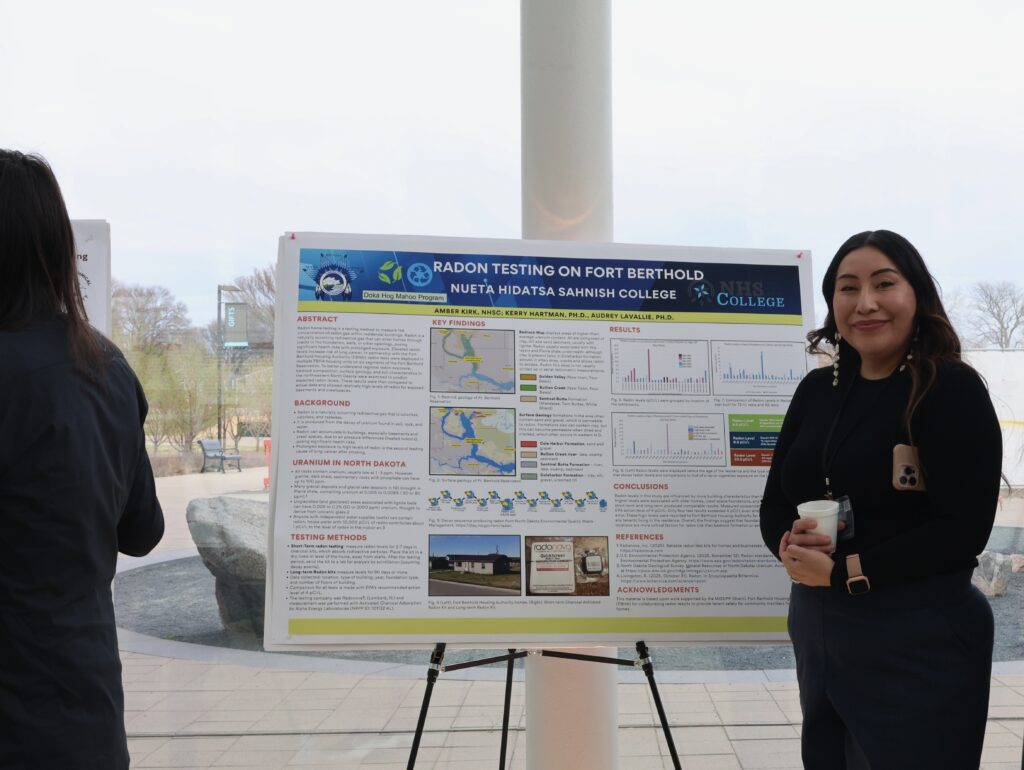
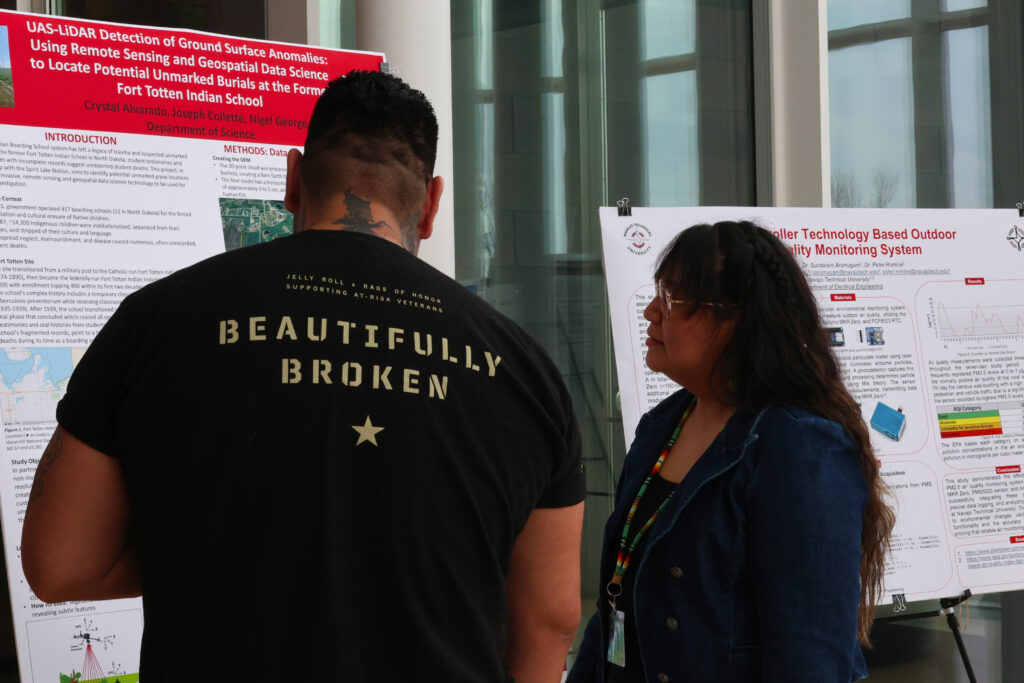
There were 37 poster presentations from TCU and partnering institution students featuring a wide breadth of relevant research, including:
- Allyn Allen (Navajo Technical University [NTU]): Design and Deployment of Arduino-Based Xpod Sensor Networks for Multi-Pollutant Characterization at Navajo Technical University
- Brooke Anderson (Valley City State University): Carbon Nanodots from Kraft Lignin: Novel Bacterial Antidote?
- Izaiah Asher & Dustin Fanning (White Earth Tribal Community College): Determination of Vitamin C Content in Rosehips
- Brandi Fox (Nueta Hidatsa Sahnish College [NHSC]): Determining the Reaction Conditions for Converting Waste Oils into Biodiesel for Small-Scale Energy Systems
- Mark Grey Cloud Jr. (Sitting Bull College): Otolith Aging of Shorthead Redhorse
- Cathleena Long (United Tribes Technical College): Comparing off-season indoor lettuce yield and flavor quality in hydroponic and conventional growing systems in Bismarck, ND
- Darian Paul (Diné College): Fragile X Premutation Is Associated with Primary Ovarian Insufficiency (POI)
- Sierra Worthington (Hawai’i Community College): Rivercane: The Forgotten Flood Defender & Cultural Keystone Species
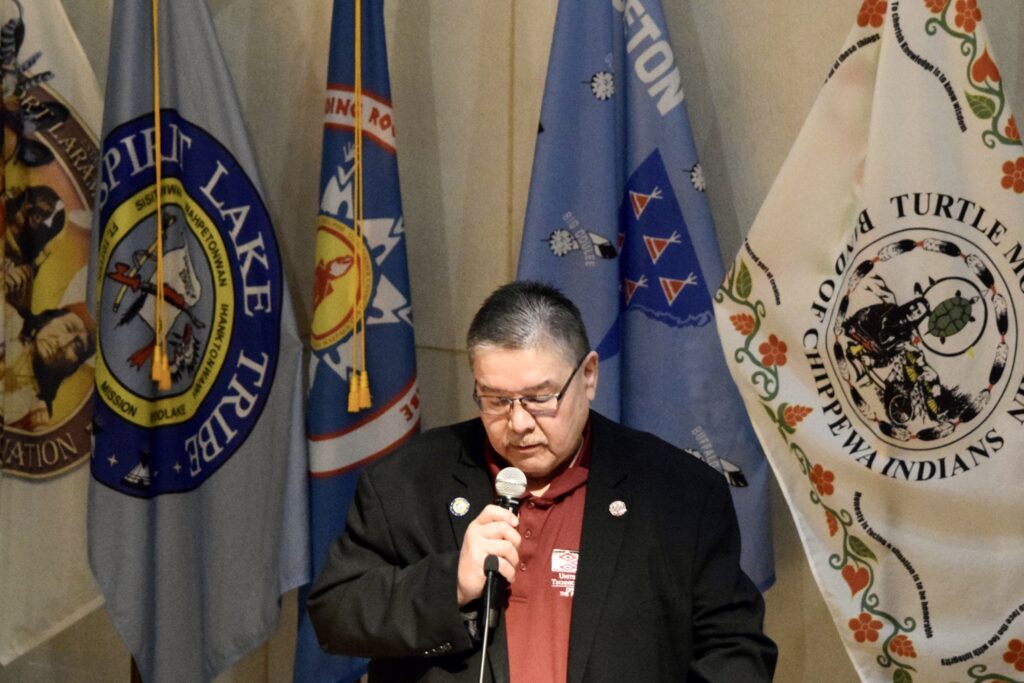
On the second day of the symposium, United Tribes Technical College President Leander “Russ” McDonald welcomed participants with a prayer and inspiring words about the importance of research and the good work they are doing.
In her keynote address, Dr. Julie Thorstenson (Lakota), executive director of the Native American Fish and Wildlife Society, spoke about the importance of building partnerships and engagement with tribal entities working to support conservation efforts, a message that resonated across all STEM fields.
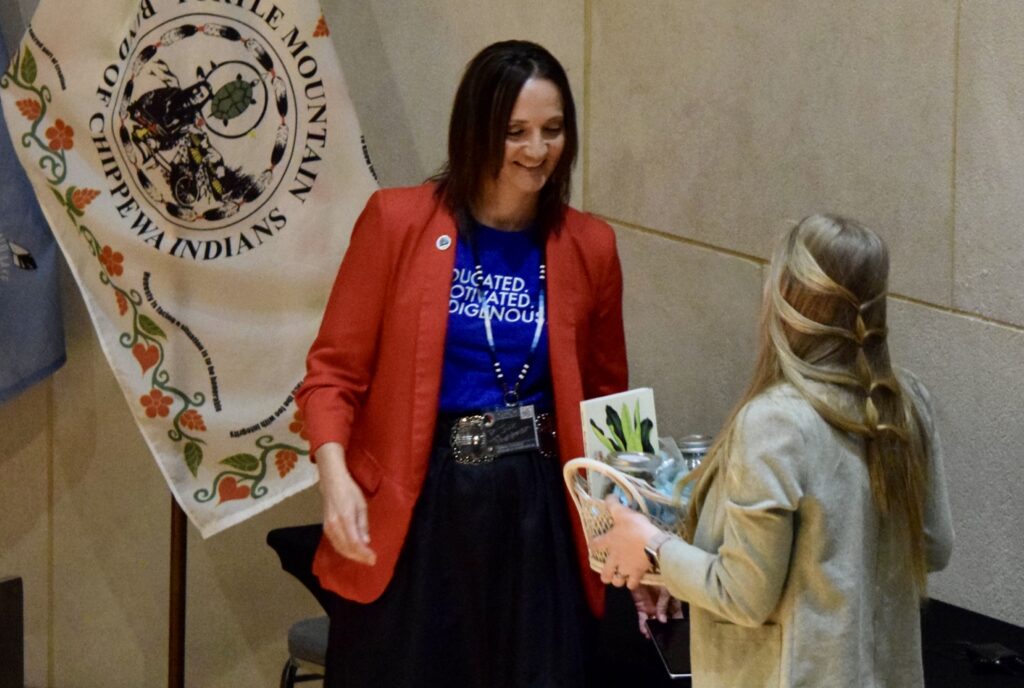
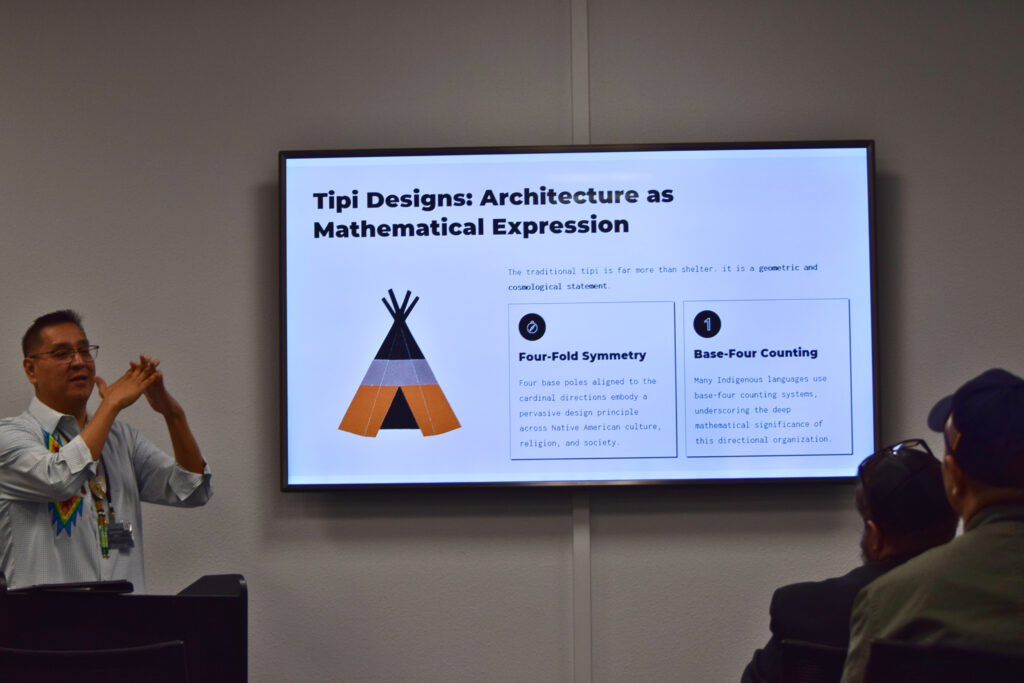
The Tribal College Research Symposium offers a safe space for students who are new to presenting. Although students often feel nervous while making formal oral presentations, the breakout rooms are small and the audience is respectful. This year, the symposium showcased 21 oral research presentations from undergraduate, post-baccalaureate, and graduate students. Presenters included:
- Jermaine Bell (UTTC): Mathematics in Indigenous Arts and Crafts: Beadwork, Quillwork, and Tipi Designs in North Dakota
- Karen Dan (NTU): Microstructural and Chemical Characterization of Four Navajo Cultural Plants
- Karliegh Wattier (North Dakota State University): Transcriptome Response of Myotis lucifugus and Eptesicus fuscus for White-Nose Syndrome Over a Spatial and Temporal Gradient
- Precious Yellow Fat (SBC): Comparison Study of Macroinvertebrates on Two Tributaries of the Missouri River
- Crystal Alvarado (Minot State University): UAS-LiDAR Detection of Ground Surface Anomalies: Using Remote Sensing and Geospatial Data Science to Locate Potential Unmarked Burials at the Former Fort Totten Indian Schools
- Laurice Morningstar & Jayna Lockwood (NHSC): Adi Gigeesha: Protecting Our Home, Tracking Land-Use Change and Environmental Impacts on the Fort Berthold Reservation
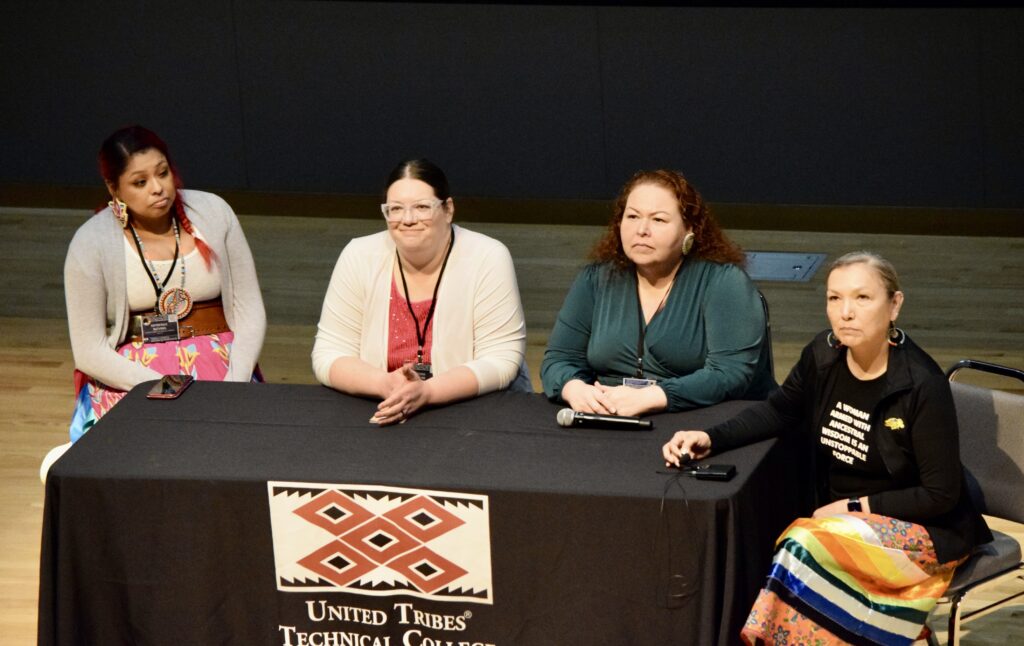
After lunch, symposium guests were treated to a science café put on by North Dakota Established Program to Stimulate Competitive Research (EPSCoR) featuring three former graduate students and current TCU faculty, Kimberlee Blevins, Amber Finley, and Alexa Azure. In a panel discussion moderated by Sheridan McNeil, director of tribal partnerships at the ND EPSCoR, a shared sentiment among all participants that resonated deeply was, “Don’t let anyone tell you that you can’t!”
This theme was carried throughout the symposium by the faculty and staff that support the students each and every day, and was powerfully expressed in one participant’s response to the post-conference questionnaire:
“The most important takeaway for me was the incredible value of community connection. Experiencing the support from fellow Indigenous students, educators, and the public reinforced how important it is to share our academic work within a supportive, culturally grounded network.”
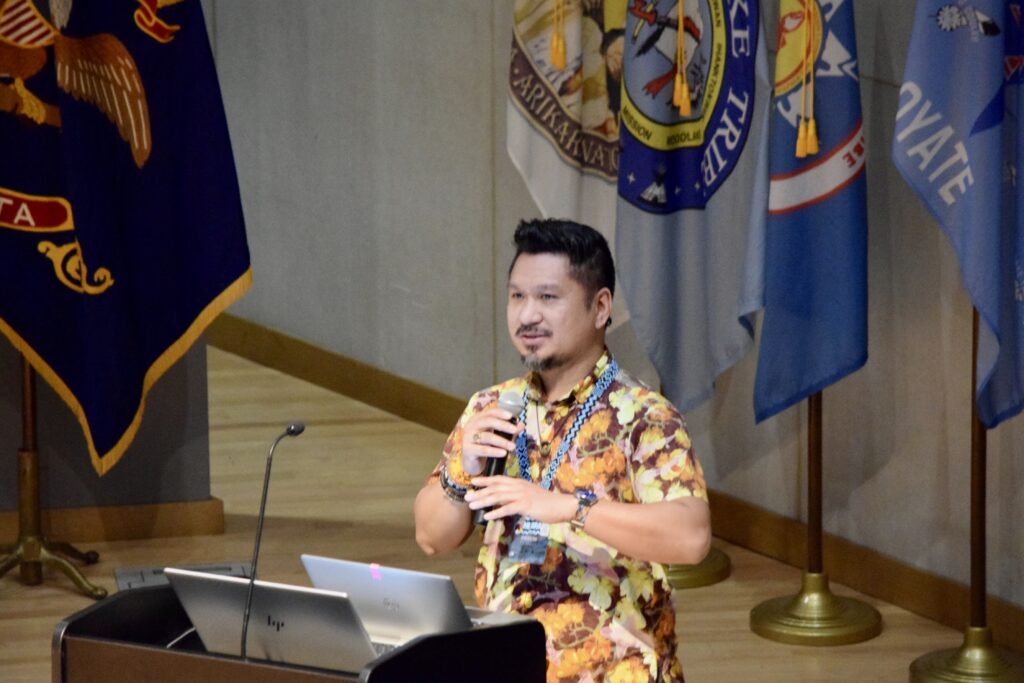
This year, the symposium offered something new in the way of a closing plenary speaker. Dr. Emerson Odango was invited to attend and share some of his knowledge, perspectives, and stories with symposium participants. As a principal research associate with Westat, he has worked with the National Science Foundation’s Tribal College and Universities Program on an evaluation project and has worked on a variety of other projects. He drew on synchronicities between his many projects and experiences to connect with the participants and help them see the importance of relationship building, making connections, and storytelling.
This closing plenary left participants conversing with peers, faculty, and staff and learning more about each other, promoting networking and creating connections. We are looking forward to welcoming you all back for the 14th Annual Tribal College Research Symposium in April 2027!
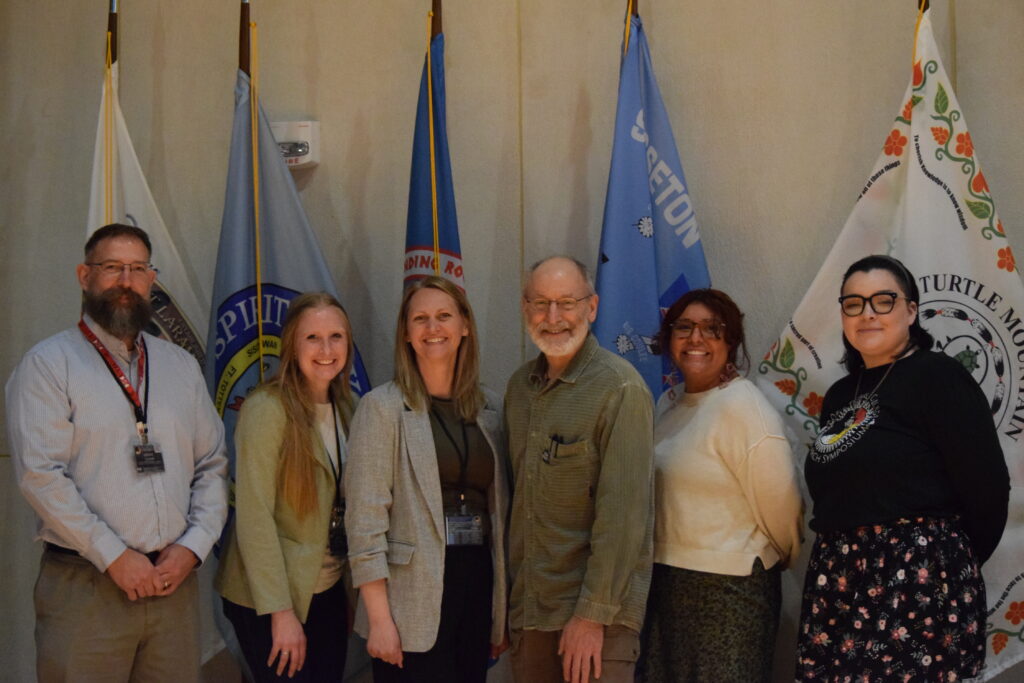
Emily Biggane is a member of the research faculty at the Intertribal Research and Resource Center and United Tribes Technical College in Bismarck, ND