The TCUP Hub’s first grant writing workshop focused on skills needed to develop strong proposals and confidently manage NSF awards.
By Frankie Harriss

Preparing a proposal for the National Science Foundation is hard work. For those new to federal grant-making, can feel prohibitively difficult.
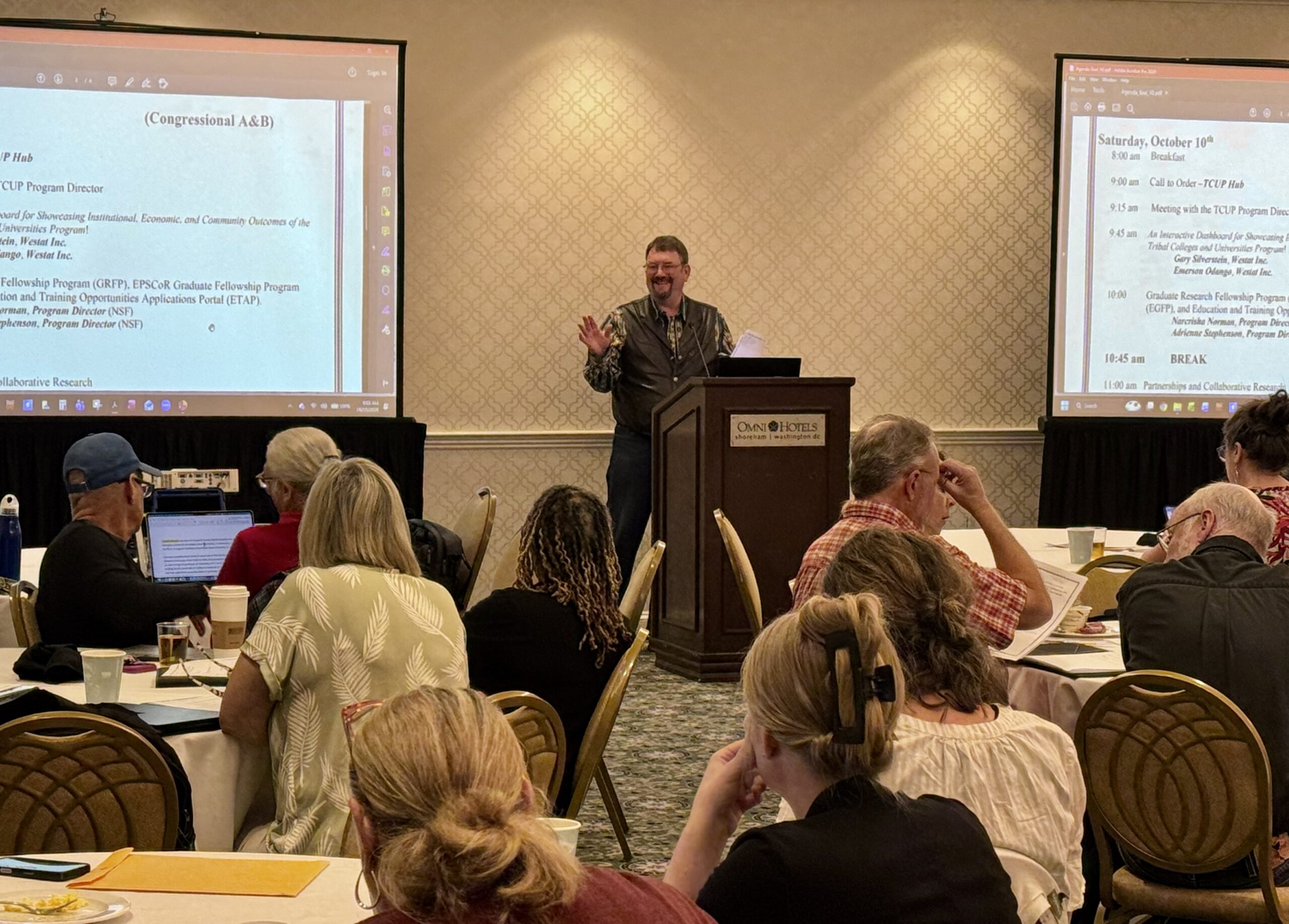
To help faculty and administrators build confidence and overcome hurdles, the TCUP Hub recently held its first proposal writing and grant management workshop. Held February 15–17 in Sparks, Nevada, the event brought together experienced grant writers, faculty, and sponsored programs professionals from across the tribal college and university community to strengthen institutional capacity for competitive STEM funding.
Twenty-three participants representing 11 TCUP-eligible institutions created a collaborative learning environment focused on developing strong proposals and overseeing post-award management. Participants engaged with experienced grant administrators, program directors, and peer institutions while exploring strategies to align institutional priorities with federal funding opportunities, particularly through the NSF Tribal Colleges and Universities Program (TCUP).
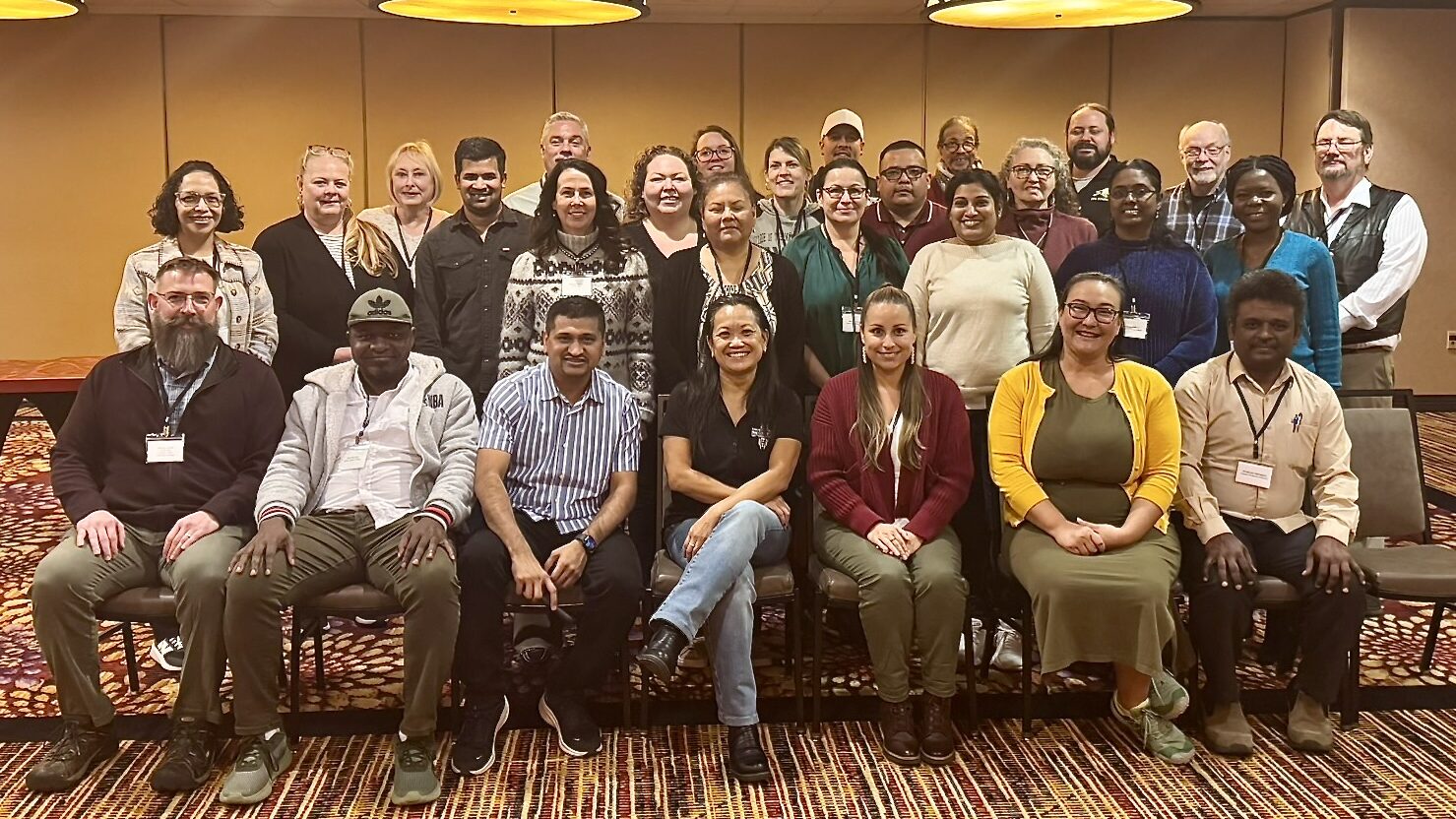
The workshop combined presentations, discussions, and hands-on activities that guided participants through the full lifecycle of grant development. Early sessions introduced the NSF TCUP program and related opportunities, including proposal strands, deadlines, and expectations. Later sessions focused on STEM strategic planning, proposal structure, and the key elements of competitive submissions.
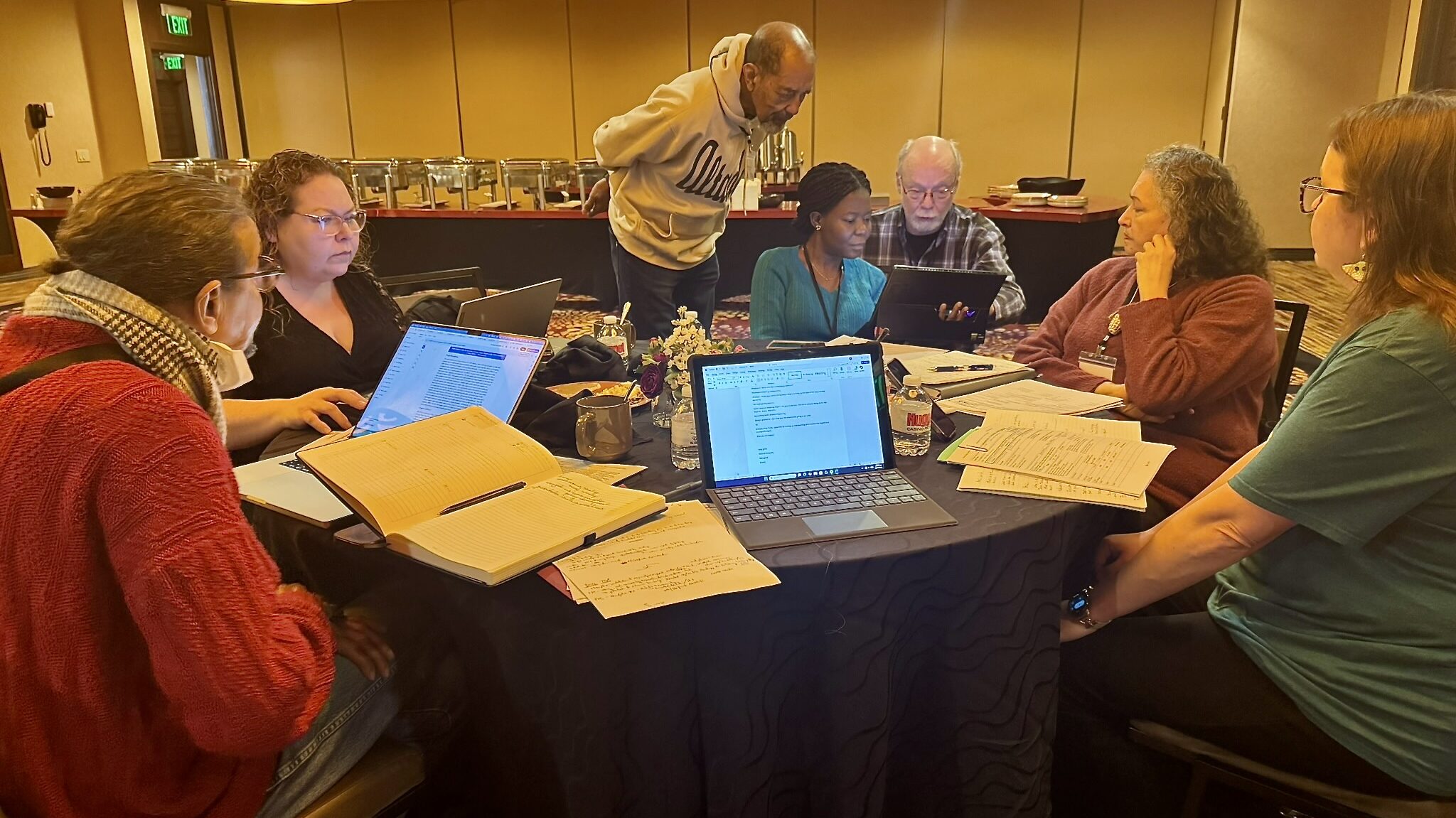
Participants also worked in small groups to refine proposal summaries and align project goals, activities, and outcomes. Additional sessions addressed budget development, allowable costs, and fiscal management, providing practical guidance for responsible grant administration. Hands-on sessions helped translate proposal ideas into clearer project plans.
Experiential learning was a central feature of the workshop. Through mock proposal review panels, participants stepped into the role of NSF reviewers, evaluating sample project summaries and discussing how review criteria are applied during the merit review process. This exercise offered valuable insight into how proposals are assessed and how investigators can better position their ideas for success.
The workshop concluded with guidance on integrating evaluation and reporting readiness into project design so projects can be implemented effectively and demonstrate measurable impact. Participants also engaged in networking and collaborative discussions that encouraged the exchange of experiences and best practices across tribal colleges.
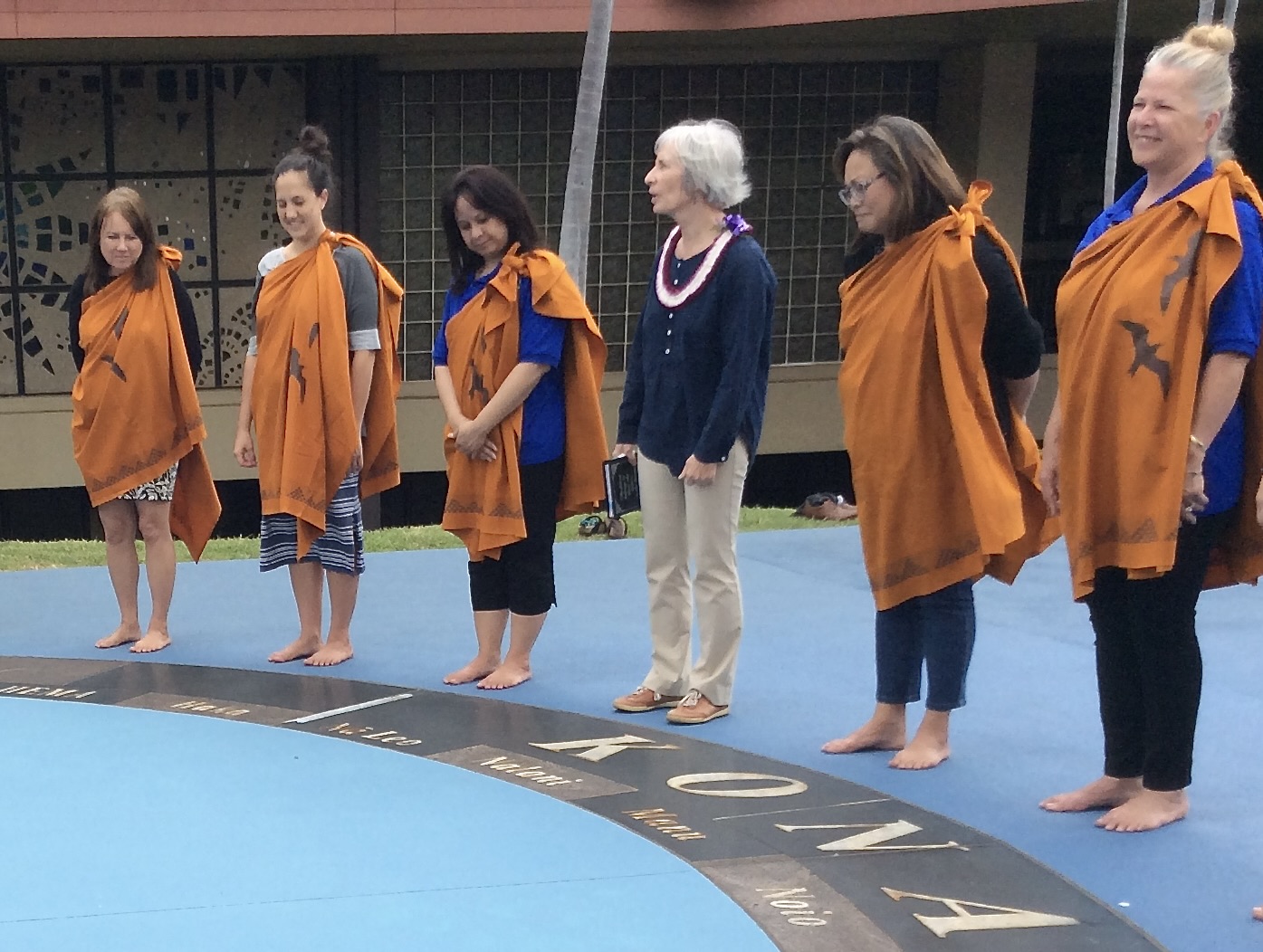
Building on this momentum, the TCUP Hub will replicate a similar workshop in Hawai‘i as part of the Hawai‘i Mini-Hub component of the larger TCUP Hub, expanding access to training and collaboration opportunities. Together, these workshops aim to strengthen the capacity of tribal colleges to develop impactful projects, secure external funding, and sustain innovative programs that serve students and communities.
Copies of PowerPoint presentations from the workshop are archived in the Hub website’s Resources page.
Frankie Harriss is co-principal director of the TCUP Hub.