Tribal colleges grow stronger when they work together, according to speakers at the 2025 NSF-TCUP Leaders’ Forum
By Paul Boyer
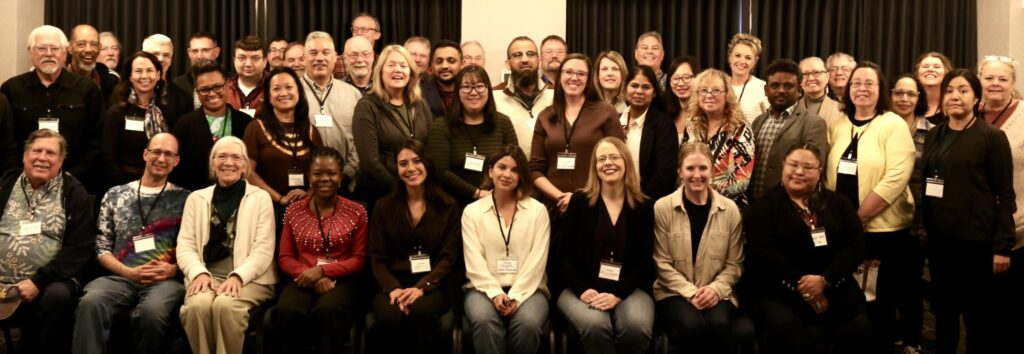
In an uncertain political climate, tribal colleges and universities need to tell their stories, document the value of their work, and develop new ways to support each other, according to presenters at the 2025 NSF-TCUP Leaders’ Forum, held last November in the nation’s capital.
The Leaders’ Forum is an annual gathering of educators from institutions eligible for funding through the National Science Foundation’s Tribal Colleges and Universities Program (TCUP). Grantees meet with NSF staff, learn about new funding opportunities, and discuss best practices in grant management.
A year of accomplishments
Presenters also shared information about several innovative TCUP-supported projects, including:
- Voices of Our Ancestors, a Native language research center at Sisseton Wahpeton College in South Dakota that is successfully revitalizing the Dakota language and preparing a new generation of language teachers;
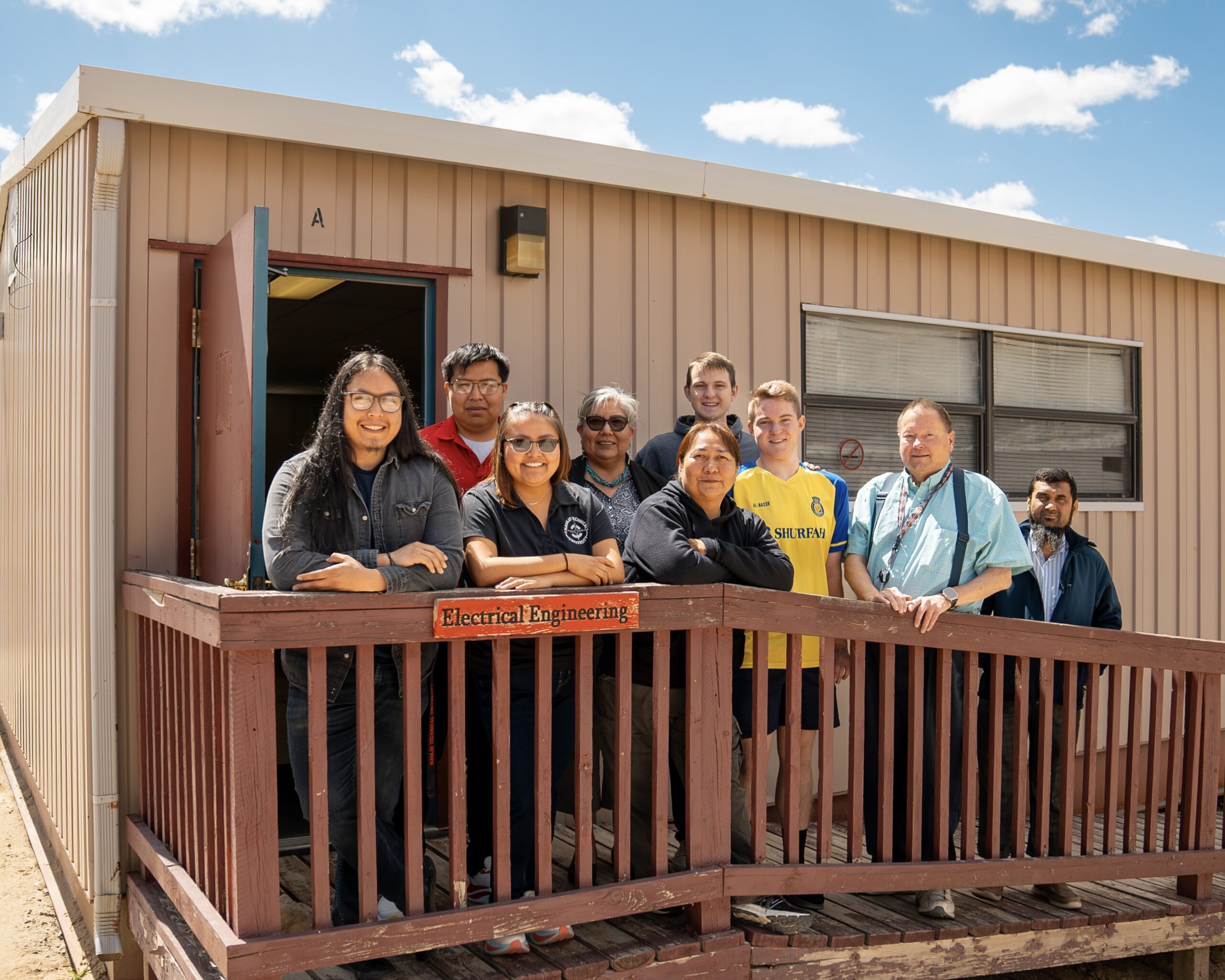
- the Water is Life Center, an interdisciplinary research center at Dine College that monitors water quality on the Navajo Nation and supports projects that provide clean water to residents; and
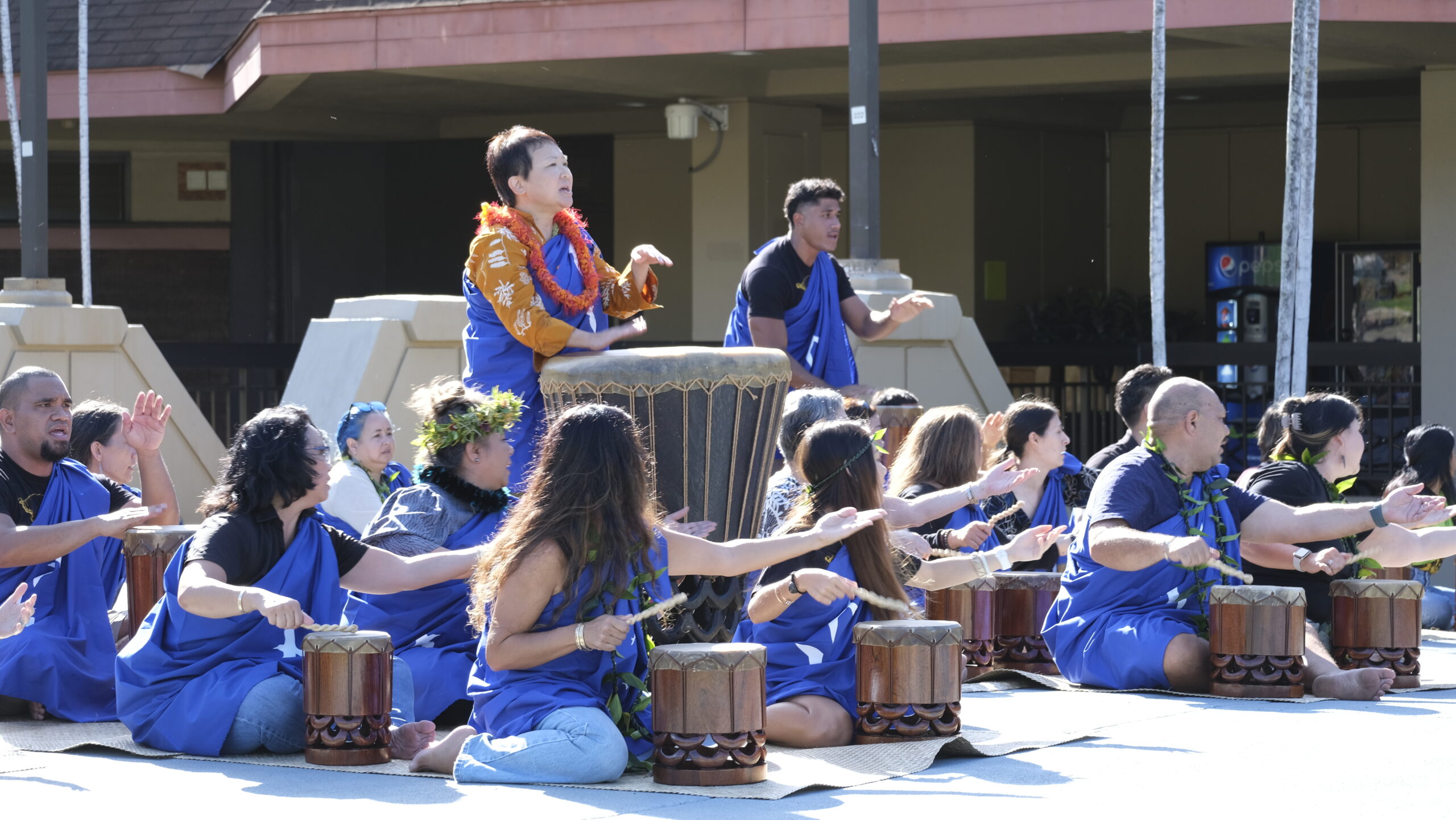
- E Kūkulu Ke Kahua a Pa’a, a project led by the Kaua’i Community College in Hawaii to increase effectiveness of K-8 mathematics instruction through professional development and mentorship.
Navigating dangerous waters
However, this year’s meeting, taking place at the tail end of a prolonged government shutdown, also had a sharper edge as several presenters discussed the impact of Trump administration policies on tribal colleges and universities (TCUs).
Tribal colleges and universities, more than most institutions of higher learning, depend on federal dollars for their day-to-day operation. As small colleges serving poor communities, grants awarded by the NSF and other federal agencies provide the resources needed to develop and sustain many academic programs, especially those related to STEM.
In this context, actions taken by the Trump administration in 2025—blocking access to grant funds, terminating research grants, firing federal staff, and slashing the budgets of agencies that support the work of tribal colleges—put many institution’s at risk.
So far, however, tribal colleges have weathered the assault and their STEM programs remain intact.
While the NSF division that housed the Tribal Colleges and Universities Program was eliminated, TCUP itself survives. Although NSF was briefly barred from making any new awards last spring, pending awards were eventually funded and several new awards have been made in recent months.
However, funding limitations required TCUP to reduce existing awards. Additionally, program directors are now strongly urged to make standard grants, not continuing grants. Continuing grants are typically funded in increments over multiple years.
According to Martin Smith, director of education & research at the Chicago-based Huron Consulting Group, these policy changes are part of an effort by the Trump administration to remake the landscape of federal grantmaking.
Along with his much publicized prohibition of DEI, Smith noted that an August 7 executive order directs agencies to, among other things, “favor institutions with lower indirect cost rates” and fund research likely to provide “short-term results” or “long-term breakthroughs.” Applicants must also commit to “Gold Standard Science” and not undermine “public safety or American values.”
Unifying these various objectives is an expectation that all discretionary funding “demonstrably support the President’s priorities.” Smith said that peer review in grant making, while permitted, it is now termed “advisory.”
Sovereignty, not diversity
In this legislative environment, tribal colleges need to emphasize their value to the nation, according to Moriah O’Brian, vice president of congressional and federal relations at the American Indian Higher Education Consortium. She cited findings from a recent economic impact study conducted by the consortium, which found that in 2022-23, tribal college alumni generated $3.8 billion in added income to the nation’s economy.
O’Brian also said that tribal colleges must remind legislators and policy makers that tribes are sovereign nations and that federal Indian programs are grounded in longstanding treaty rights, not DEI policies.
That message seems to be understood in Washington. While tribal colleges were initially targeted for massive funding cuts, the administration later reversed course. In September, the Department of Education announced that money pulled from Minority Serving Institutions—colleges and universities with high minority enrollments—would be given to TCUs and HBCUs, as part of a one-time transfer.
In a statement, AIHEC welcomed the support, noting that “federal support for TCUs upholds the government’s trust and treaty obligations to Tribal Nations.” At the same time, it observed that “dollars were shifted from other federal programs—some of which serve American Indian and Alaska Native students at non-TCU campuses. This adjustment brings new resources to our institutions, but also presents obstacles for students who rely on other supports.”
The power of cooperation
The survival and growth of TCU STEM programs will also depend on strengthening cooperation among institutions, said Hub Director Scott Morgan, noting that while many TCUs have limited resources, there is a great deal of collective expertise within the movement. The purpose of the TCUP Hub, he said, is to help these colleges and universities grow stronger by providing opportunities for STEM faculty to learn from each other. While the federal grantmaking environment is inherently competitive, he argued the colleges have more to gain by working together.
Leaders’ Forums have been held annual since 2010. In 2024, TCUP solicited proposals for development of a more comprehensive “Hub”, which would continue to host the Leaders’ Forum, while also offering a wider range of services to eligible institutions. Earlier this year, United Tribes Technical College was awarded funds to develop the project on behalf of all TCUP-eligible institutions. This year’s Leaders’ Forum served as the project’s inaugural event.
The Tribal Colleges and Universities Program was established by the NSF to support the growth of STEM programs at tribally controlled colleges and eligible institutions within the University of Hawaii and the University of Alaska. Funding has allowed these colleges and universities to develop new courses, degree programs, and research centers. Awards have, in recent years, totaled around $20 million annually.
Paul Boyer is a TCUP Hub senior consultant and the project’s website editor.